There is no shortage of content online about “how to shrink your pores naturally.” There are also no shortage of products promising to do exactly that. Before you buy another toner or spend another Sunday applying a clay mask, it’s worth understanding what pores actually are, why some people have more visible ones than others, and what “shrinking” them really means and doesn’t mean clinically.
This post gives you the honest picture from a medical standpoint. Some of it might be different from what you’ve read elsewhere, and some of the recommendations might be less exciting than “one weird trick.” But they’ll actually work.
What Pores Actually Are
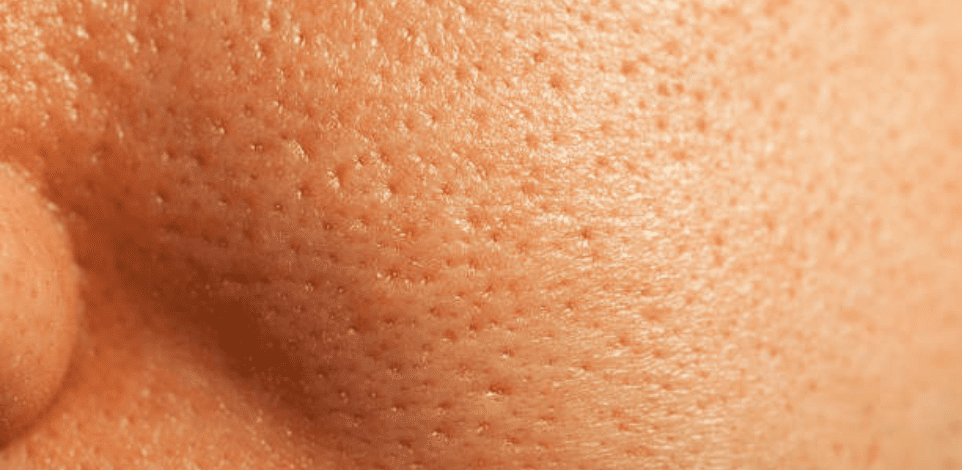
Pores are the openings of hair follicles on the skin’s surface. Every follicle has an associated sebaceous gland that produces sebum, and the pore is where that sebum reaches the surface. You have pores over virtually your entire body, but they’re most visible on the face, particularly on the nose, cheeks, and forehead where sebaceous gland density is highest.
The size of your pores is primarily determined by genetics and sebaceous gland activity. You were largely born with the pore size you have. Age changes them: as skin loses collagen and elasticity, the follicle walls lose structural support and pores appear larger. Chronic sun damage accelerates this process.
The phrase “shrink your pores permanently” is technically misleading. You can’t change the size of the follicle opening with a cleanser. What you can do is meaningfully reduce how visible they appear, which for most patients is the actual goal anyway.
Why Pores Look Enlarged
Pore appearance is affected by several factors, and understanding which ones apply to your skin determines which interventions will actually help.
Sebum and congestion: When a pore is filled with sebum, dead skin cells, or debris, it stretches and becomes more visible. This is the most manageable cause and the one that responds well to consistent skincare.
Loss of skin elasticity: As collagen and elastin decline with age and UV damage, the tissue surrounding the pore loses structural support. The follicle walls effectively sag inward, making the pore appear larger. This is a structural problem that responds to structural solutions rather than topical products alone.
Genetics and skin type: Oilier skin types have more active sebaceous glands, which means more sebum production and more visible pores. Thicker skin texture, more common in darker Fitzpatrick types, can also make pores appear more prominent regardless of oil production.
Sun damage: UV exposure damages collagen progressively and accelerates the elasticity loss that allows pores to appear enlarged. Houston’s year-round high UV index makes this particularly relevant for patients in this market.
Post-inflammatory changes: Acne and other inflammatory skin conditions can permanently enlarge individual pores when the follicle wall is damaged during an active breakout. This is why preventing scarring and treating active acne promptly matters beyond the breakout itself.
What Actually Helps
With the above in mind, here’s what works and why.
Consistent cleansing: Removing excess sebum and surface debris keeps pores clear rather than stretched. Twice daily cleansing with a gentle, non-comedogenic formula is appropriate for most skin types. Over-cleansing strips the skin’s barrier and triggers compensatory sebum production, which makes the problem worse. More is not better here.
Salicylic acid: Salicylic acid is a beta-hydroxy acid that’s oil-soluble, meaning it penetrates into the follicle rather than just working at the surface. It dissolves the sebum and dead skin cell mixture that clogs and stretches pores. A low concentration salicylic acid product used regularly is one of the most genuinely effective over-the-counter tools for pore appearance. It also has mild anti-inflammatory properties that benefit acne-prone skin specifically.
Niacinamide: Niacinamide (vitamin B3) reduces sebum production and improves skin texture over consistent use. It’s well-tolerated across skin types, including sensitive and darker skin tones, which makes it one of the more universally accessible active ingredients for pore management.
Retinoids: Retinoids address pore appearance at two levels: they increase cell turnover to prevent the congestion that makes pores appear larger, and they stimulate collagen production to rebuild the structural support around follicle walls. Of all the over-the-counter options, retinoids produce the most meaningful long-term improvement in pore appearance because they address both the congestion and the elasticity components simultaneously. SkinBetter Science’s AlphaRet formulation delivers retinoid-level results with significantly less irritation than traditional retinol products, which matters for patients who’ve given up on retinoids after a bad experience.
SPF daily: Preventing further UV-induced collagen loss is the single most important thing Houston patients can do to stop pore appearance from worsening with age. SPF doesn’t undo existing damage, but it stops the process from accelerating further. Given that structural elasticity loss is one of the main drivers of enlarged pore appearance over time, this is genuinely the highest-return intervention on this list for most patients.
What Doesn't Work
Being honest about this is part of what makes a medical practice’s skincare guidance different from a beauty blog’s.
Cold water or ice: The idea that cold temperatures “close” pores is a persistent myth. Pores don’t have muscles and can’t open or close. Cold water may temporarily tighten the skin slightly due to vasoconstriction, but it has no lasting effect on pore appearance.
Clay masks: Clay masks absorb surface sebum and can make pores look temporarily cleaner and smaller immediately after use. The effect is cosmetic and transient. They’re a legitimate short-term option for special occasions but not a pore management strategy.
Pore strips: Pore strips remove a portion of the blackhead material (technically called sebaceous filaments rather than blackheads in most cases) from the pore. The material returns within days. They don’t change pore size, damage the follicle walls, and can cause irritation.
Egg white masks, lemon juice, baking soda: None of these have clinical evidence for pore reduction and several of them (baking soda, lemon juice) actively damage the skin barrier and can worsen skin health. The internet continues to circulate these recommendations and they continue to not work.
When In-Office Treatment Makes Sense
Daily skincare addresses the congestion and surface-level factors that make pores look larger. For patients dealing with the structural causes, collagen loss, deep scarring from acne, or significant texture changes, in-office treatments reach deeper and produce more significant improvement.
Microneedling stimulates collagen remodeling in the dermis, rebuilding the structural support around follicle walls that declines with age and UV damage. A series of treatments produces progressive tightening of the skin architecture that genuinely reduces the appearance of enlarged pores over time, not by shrinking the follicle but by improving the supporting tissue around it. See our microneedling page for full details.
Chemical peels address surface texture, congestion, and the accumulated dead cell layer that makes pores more visible. Our Clarifying Acne Peel specifically targets the sebaceous activity and congestion that drives pore appearance in oily and acne-prone skin.
ADVATx laser targets sebaceous gland activity using the 1319nm infrared wavelength, which reduces oil production at the source and produces meaningful long-term improvement in pore appearance for patients with oily skin. It also addresses the vascular redness that often accompanies enlarged-pore skin. See our ADVATx page for a full explanation.
DiamondGlow provides deep exfoliation and extraction combined with targeted serum infusion in a single session. For patients with congested pores, the extraction component clears debris while the serum delivery introduces pore-minimizing actives at a depth topical application can’t achieve. See our DiamondGlow page.
Medical-grade skincare: If you want retinoids, niacinamide, and salicylic acid formulated at clinical concentrations with proper delivery systems, the products available through FACE/FIT are meaningfully different from what’s available retail. See our medical-grade skincare page for what we carry and why it matters.
The Houston Factor
Houston’s humidity is both a blessing and a complicating factor for pore management. High ambient humidity keeps skin better hydrated, which is generally positive. It also promotes sweating and sebum production, which means Houston patients often deal with more congestion and oilier skin than patients in drier climates.
The combination of high UV index year-round and high humidity means Houston skin ages in a specific pattern: earlier collagen loss from UV exposure, persistent congestion from climate, and frequent inflammatory triggers from heat and sweat. A skincare protocol for managing pores in Houston needs to account for all three.
Frequently Asked Questions
Can pore size actually be permanently reduced?
Pore size is largely genetic and structural. You can’t permanently change the size of the follicle, but you can meaningfully and sustainably reduce how visible they appear by managing congestion, improving skin elasticity, and reducing sebum production. The appearance improvement from consistent care is real and lasting, even if the underlying structure doesn’t change.
Do pores open and close?
No. Pores don’t have muscles and can’t open or close. Hot steam or warm water softens sebum in the pore and makes extraction easier, which is why steaming is used in facials. It doesn’t change the pore size itself.
Why do my pores look worse in summer in Houston?
Heat and humidity increase sebum production and sweating, which leads to more congestion and makes pores more visible. More frequent cleansing and lighter moisturizers during Houston summers reduce this effect.
Are enlarged pores from acne scarring treatable?
Yes, though they require different treatment than pores enlarged by congestion or aging. Pores that were stretched or damaged during inflammatory acne breakouts respond to collagen-stimulating treatments like microneedling, which rebuilds the damaged tissue structure around them.
What's the single most effective thing I can do for pore appearance?
Consistent daily SPF in Houston. It prevents the UV-induced collagen loss that causes pores to appear larger with age. Everything else manages the existing situation. SPF slows how much worse it gets, which is the most efficient long-term investment in your skin’s appearance.
Want a skincare plan that actually addresses what's happening with your pores specifically?
Book a consultation at FACE/FIT Houston. We’ll look at your skin, identify whether congestion, elasticity loss, oil production, or acne history is the primary driver, and recommend the combination of at-home products and in-office treatments most likely to produce real improvement for your specific skin.