When one thing feels off but you can't quite say what, the answer is usually proportion.
Most patients who book a facial balancing consultation don’t come in asking for facial balancing by name. They come in saying something doesn’t look right, or that they’ve had one area treated and it made something else look worse, or that they just feel slightly off and want someone to help them figure out why.
Facial balancing is the answer to that question. It’s a full-face assessment and treatment approach that looks at how your features relate to each other rather than treating each area in isolation. A chin that’s slightly weak makes a nose read larger than it is. Flat cheeks make the nasolabial folds look deeper. Volume loss in the temples shifts weight to the center of the face. Each of these has a cascade effect, and treating one thing without seeing the whole picture often makes the overall impression worse rather than better.
At FACE/FIT, facial balancing is how we approach every injectable consultation by default. It also happens to be something patients can specifically request when they want a comprehensive full-face plan.
The assessment comes before anything else. Your provider looks at your face in thirds: the upper third from hairline to brow, the middle third from brow to base of nose, and the lower third from nose to chin. We look at horizontal symmetry, the ratio of upper to lower lip, chin projection relative to the nose in profile, the width and position of the cheekbones relative to the forehead, and how the jawline transitions to the neck.
From that assessment, we identify the specific areas where a small change creates the most improvement in overall proportion. Sometimes that’s a single area. Sometimes it’s three or four treated at the same visit with small amounts in each. The goal is always to improve the face as a whole rather than make any individual feature more prominent.
Dermal fillers are the primary tool because they can add volume and structure precisely where the face needs it. Depending on the assessment, neurotoxin may also be part of the plan where muscle activity is contributing to imbalance, for example in the masseter, the brow, or the chin.
Facial Balancing vs. Treating One Area at a Time
Most patients start their injectable journey by treating one area: lips or forehead or a specific crease. That’s a completely reasonable approach, and there’s nothing wrong with it for focused concerns.
Where it runs into trouble is when treating one area reveals or amplifies an imbalance elsewhere. The most common example: a patient gets lip filler, and their lips look great in isolation but now make a slightly weak chin more noticeable. Or a patient treats the nasolabial folds directly and ends up with filler that looks placed because the underlying structural loss wasn’t addressed.
Facial balancing avoids this by looking at the whole picture before placing anything. The result is that changes look coherent rather than incremental, and each treatment session moves the overall face toward better proportion rather than addressing individual features independently.
What Facial Balancing Can Address
The areas involved in a facial balancing treatment vary by patient. Common components include:
Chin and jawline: A weak chin is one of the most common causes of facial imbalance and one of the most impactful areas to address. Bringing the chin into better proportion with the nose and lips changes how the entire lower face reads. Jawline definition often follows naturally.
Cheeks: Restoring midface volume lifts the surrounding tissue, softens the nasolabial folds, and gives the face a more naturally supported structure.
Lips: In the context of facial balancing, lip filler is about proportion rather than enhancement. Getting the upper-to-lower lip ratio right and aligning the lip border with the chin projection changes how the mouth sits in the face.
Temples: One of the most overlooked areas. Temple hollowing pulls visual weight toward the center of the face and makes the cheekbones read differently. Filling the temples restores the fuller, more oval facial silhouette of a younger face.
Under-eyes: When tear trough hollowing is contributing to a tired or aged overall impression, it factors into the balancing assessment.
Nose: Non-surgical rhinoplasty (rhinoplasty with filler) can correct specific profile asymmetries, a drooping tip, or a dorsal hump in ways that change the face’s overall proportions significantly without surgery.
Nasolabial folds and marionette lines: Treated structurally by addressing the underlying volume loss rather than just filling the crease itself.
Is Facial Balancing Right for You?
Facial balancing works well for patients at any age and any stage of their injectable journey.
Patients in their twenties and thirties often come in for balancing rather than anti-aging treatment. The goal is refining natural proportions that have always felt slightly off: a chin that’s always been weak, lips that disappear in photos, a face that looks asymmetric in certain angles.
Patients in their forties and beyond are often addressing volume loss and structural deflation across multiple areas simultaneously. The balancing approach is particularly valuable here because the changes happen everywhere at once rather than in one area at a time.
It’s equally right for first-time patients who want to understand their face comprehensively before committing to anything, and for experienced patients who’ve had years of individual area treatment and want to step back and see the full picture.
The only requirement is that you come in willing to have an honest conversation about your face. We’ll look at it carefully, tell you what we see, and recommend only what actually makes sense.
What to Expect
A facial balancing consultation takes longer than a standard single-area appointment because the assessment is more comprehensive. Plan for 60 to 90 minutes for your first visit.
Your provider will spend time mapping your facial structure before touching anything. We may take photos from multiple angles to assess proportions. We’ll explain what we’re seeing, what we’d recommend, and why. If we think a single area addresses most of what you’re concerned about, that’s what we’ll tell you rather than building an elaborate multi-area plan to justify more product.
Treatment follows the consultation in the same appointment if you’re ready to proceed. Some patients prefer to have the assessment first and return for treatment, which is completely fine.
Immediately after: Swelling across multiple treated areas is normal and expected. You won’t see the final result for two weeks. Don’t assess what you see in the mirror in the first few days.
Two weeks out: The true result. This is when we review progress and discuss whether any touch-up or additional treatment makes sense.
How long it lasts: Depending on which areas were treated and which products were used, results typically last twelve to eighteen months. Treatment plans evolve over time as your face changes and your goals refine.
Real Results From FACE/FIT Patients
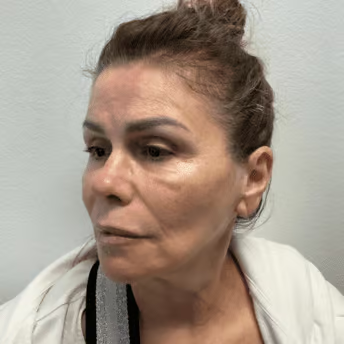
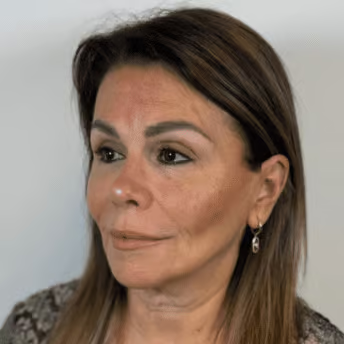
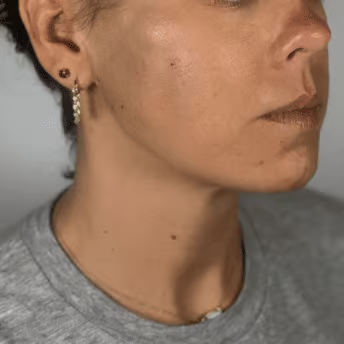
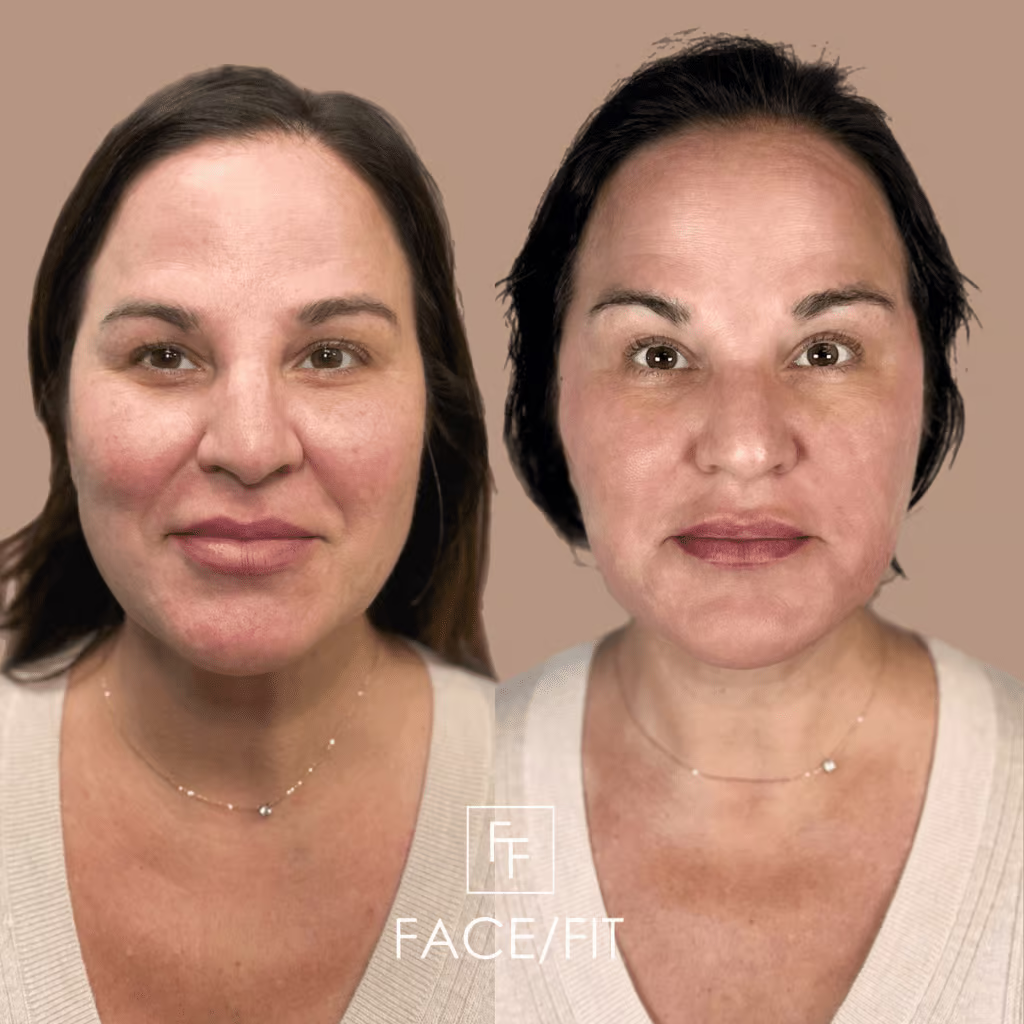
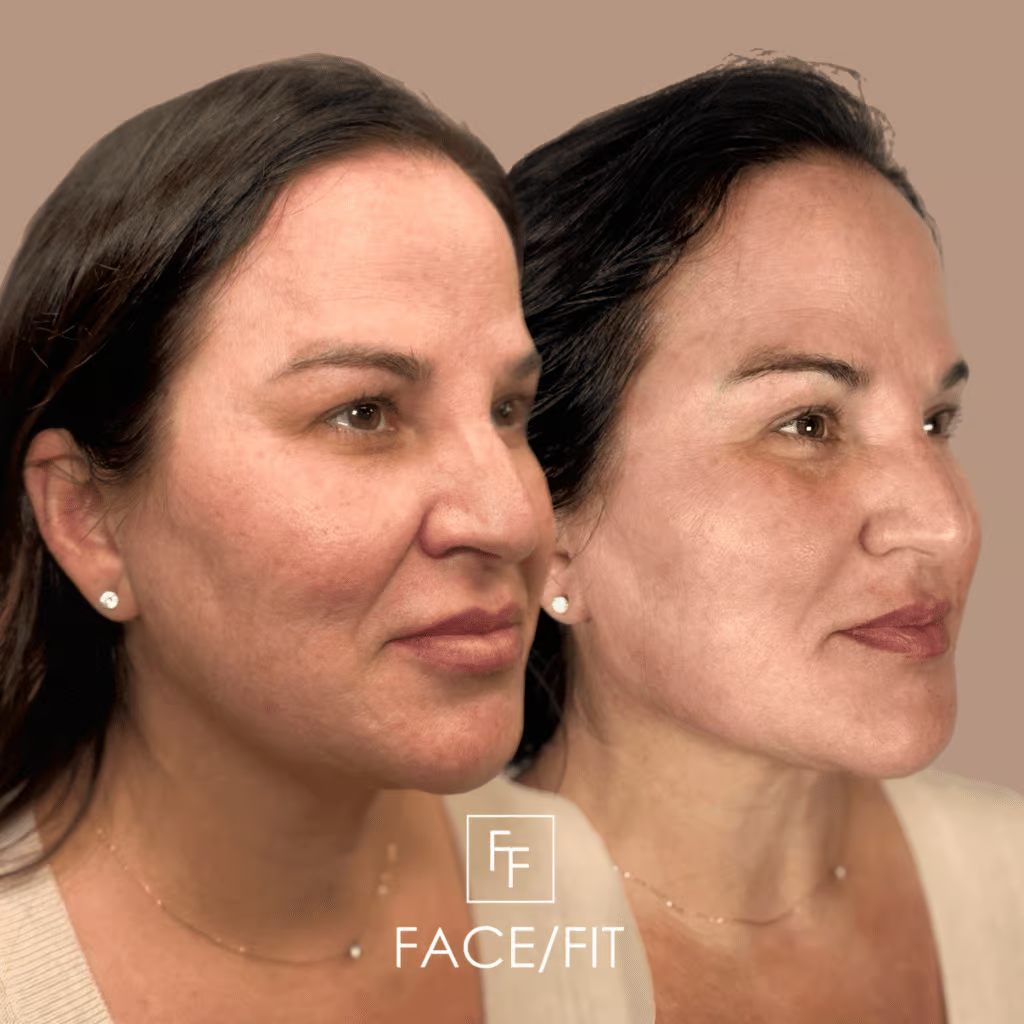
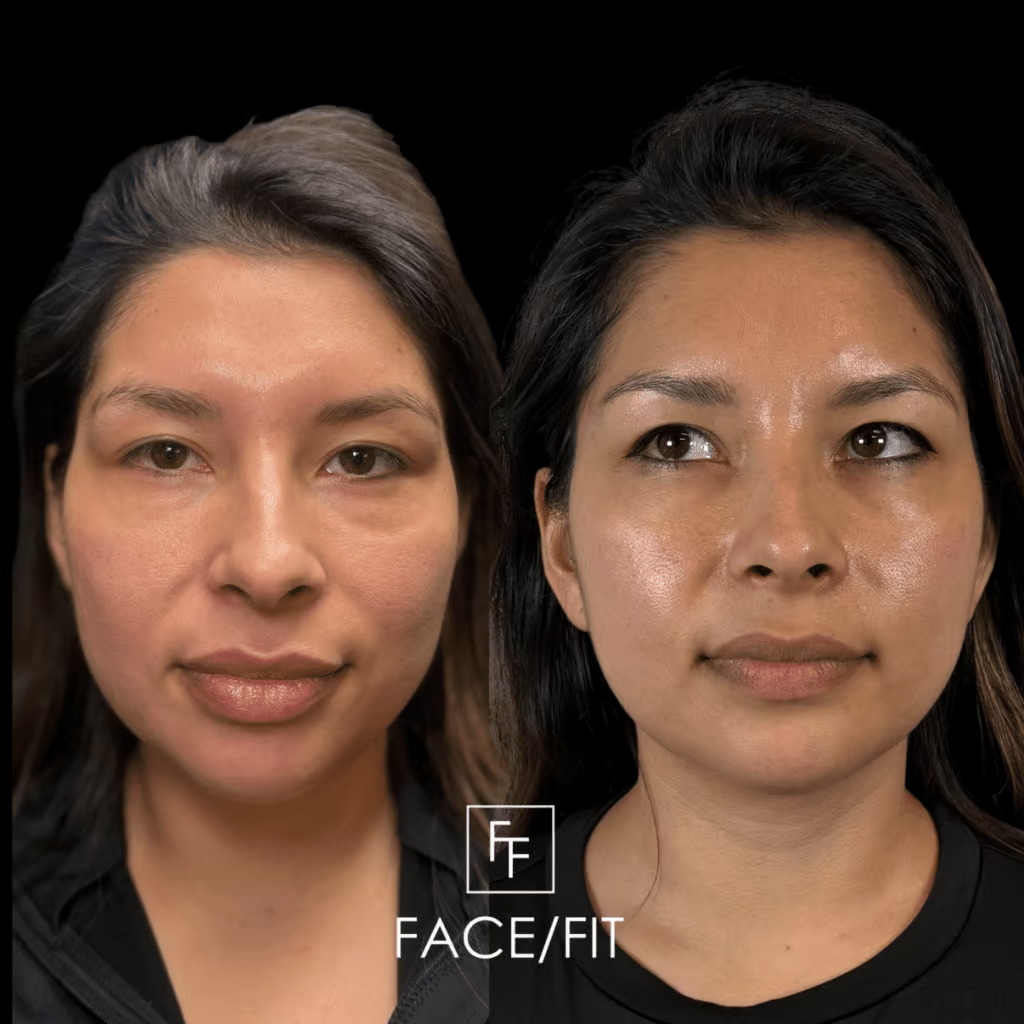
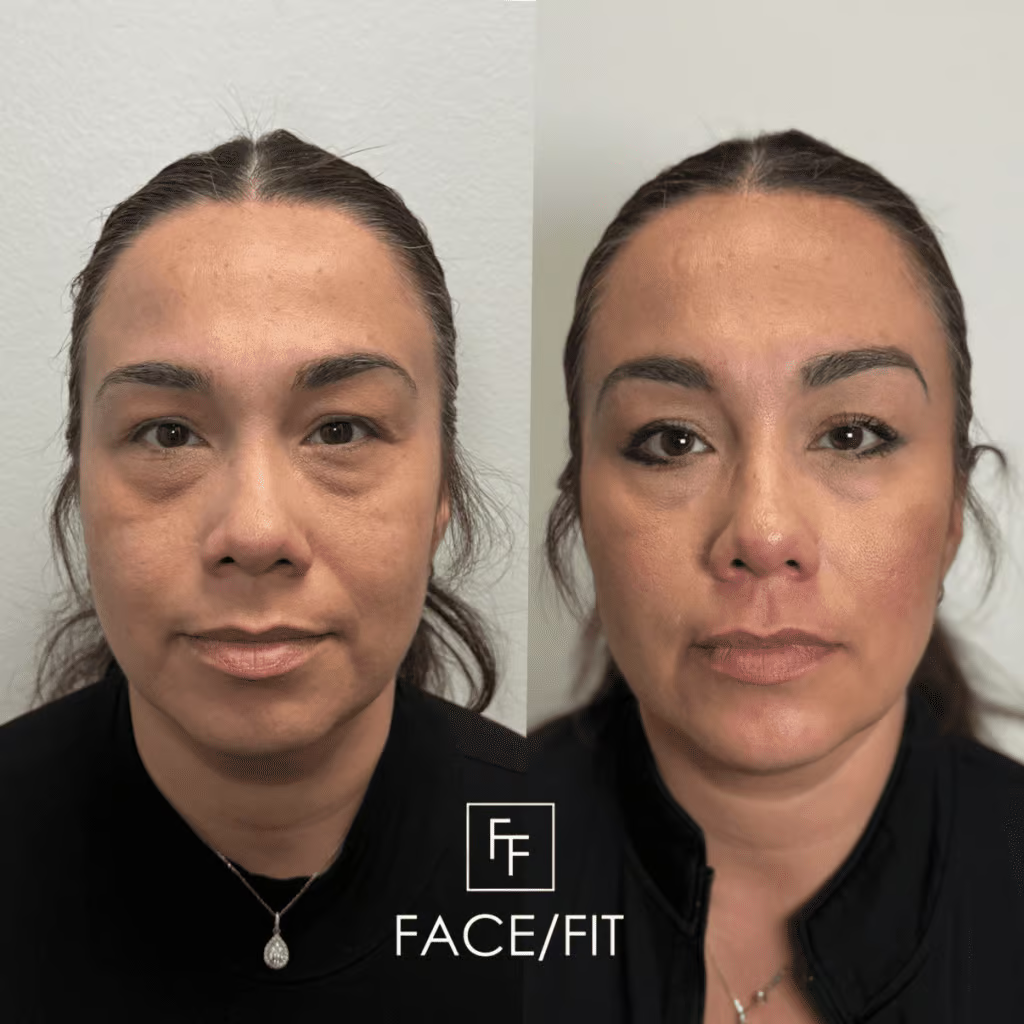
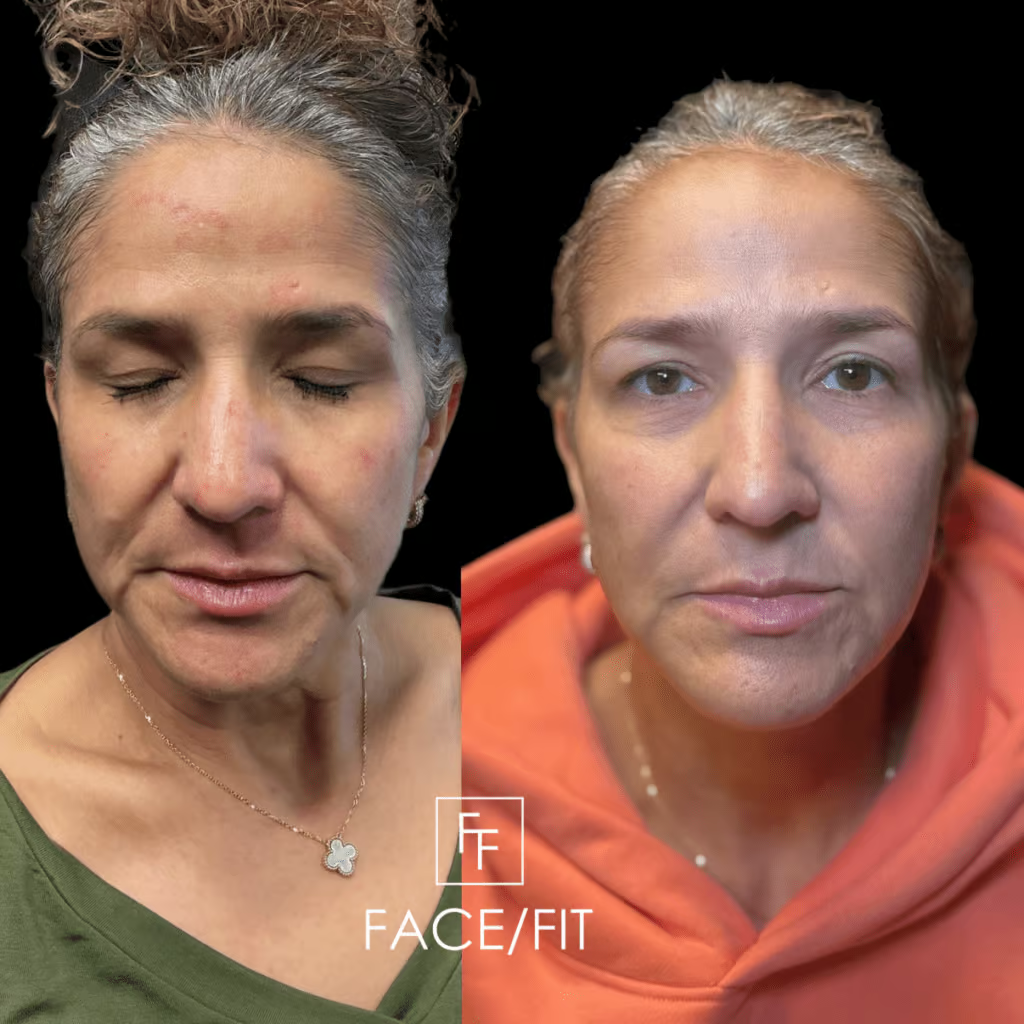
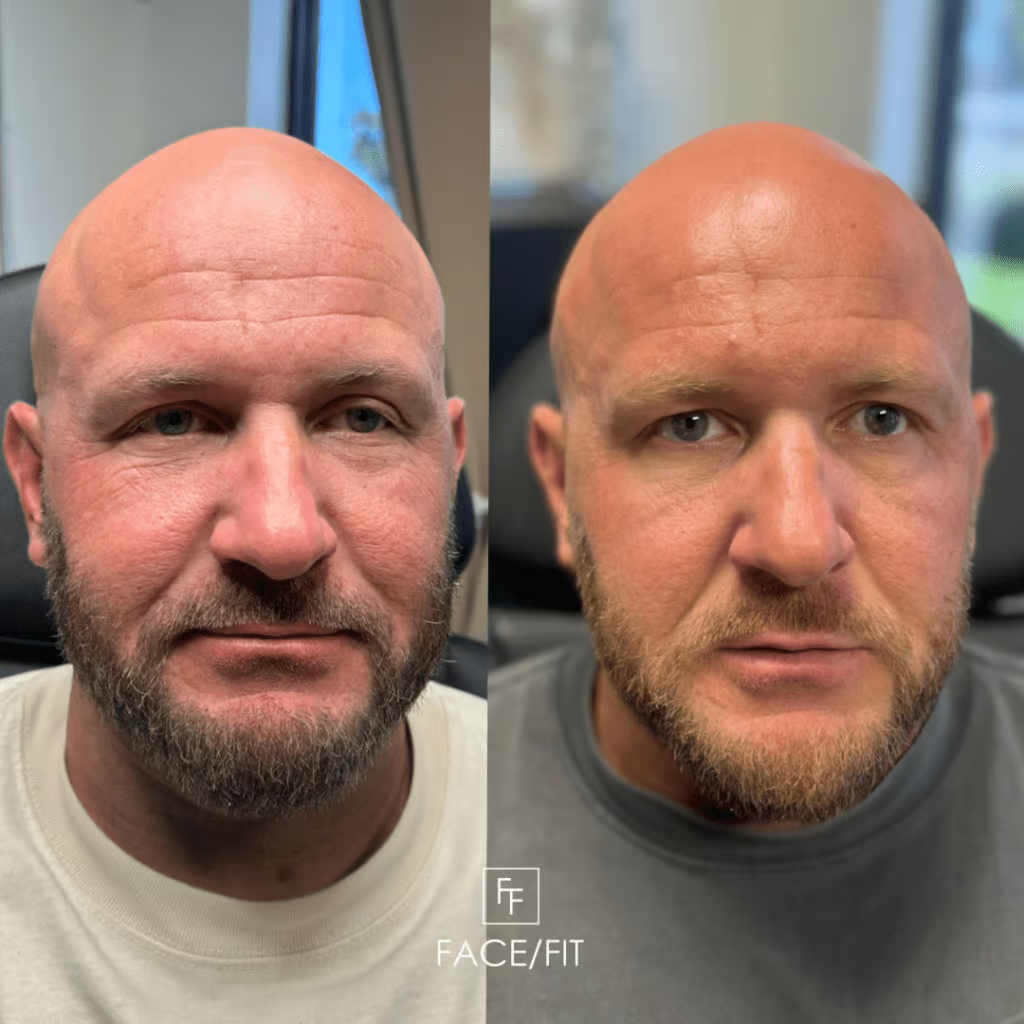
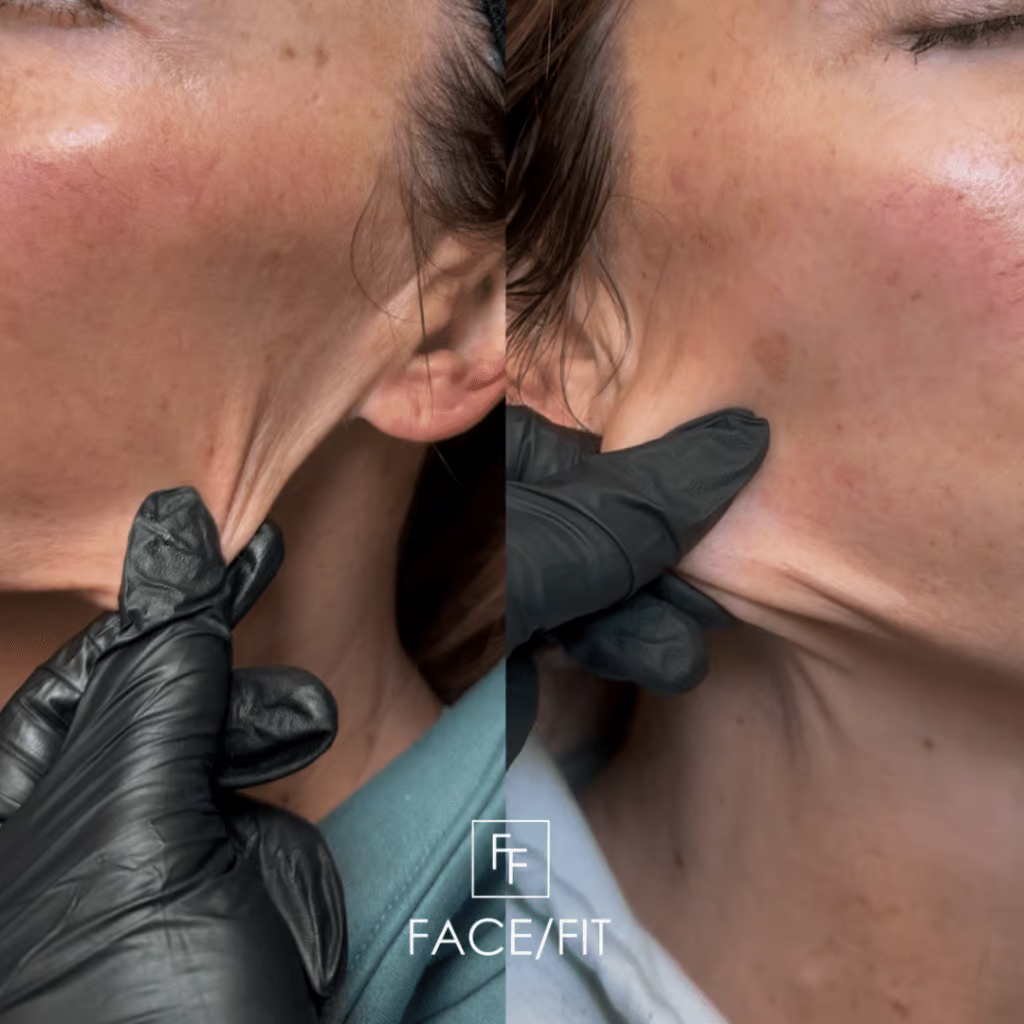
Every image below is a real FACE/FIT patient. No stock photos, no filters. View our full gallery
Facial Balancing Pricing at FACE/FIT
Facial balancing is priced by the areas treated rather than as one fixed package, because every plan is built around your face and your goals. Current pricing for fillers, biostimulators and neurotoxins is on our pricing page.
FACE/FIT Club members receive member pricing on all injectable treatments. Cherry and CareCredit financing are available.
Ready to see your face as a whole rather than a list of concerns?
Book a facial balancing consultation at FACE/FIT Houston. We’ll assess your proportions honestly, explain what we see, and give you a clear picture of what a treatment plan would look like. If less is more for your face, that’s exactly what we’ll tell you.
Available 7 days a week, 8am to 7pm. Appointment only.
5 STAR AESTHETIC PRACTICE
“Initially, I had my reservations about whether this was the right choice for me, particularly as a man. However, Kristi has been exceptional in explaining the process and its advantages. I can only express positive feedback. The clinic maintains a clean and inviting environment, contributing to a thoroughly comfortable and soothing experience. I strongly recommend their services!”
– Daniel S.
“Kristi is truly a gifted cosmetic injector. Her knowledge and confidence in her work shine through in every aspect. Not only does she excel in her craft, but her own natural beauty is a testament to her skills. I felt completely at ease in her hands and left feeling more beautiful than ever. Kristi is the ultimate professional and I couldn’t recommend her enough. Thank you for making me feel so confident and beautiful, Kristi!”
– Theresa T.
“I am so happy with my results! Everyone was so knowledgeable, gentle and knew exactly how to make my skin bounce back with a natural look. I feel more confident, youthful and willing to wear less makeup now. The professionalism of the nurses and their dedication to listen to my wants has made me a lifetime customer. Recovery was easy and the follow ups were a very nice touch that made me feel cared for.”
– Rachel W.
“I’ve been seeing Kristi for a few years even before she opened this practice. She does not disappoint. She makes sure I’m well informed and happy with my results. If I ever have any questions she’s responsive and easy to reach. Love the way they take care of you instead of just brush you off. It’s personable, personalized to me and I feel like I’m in great hands!!!”