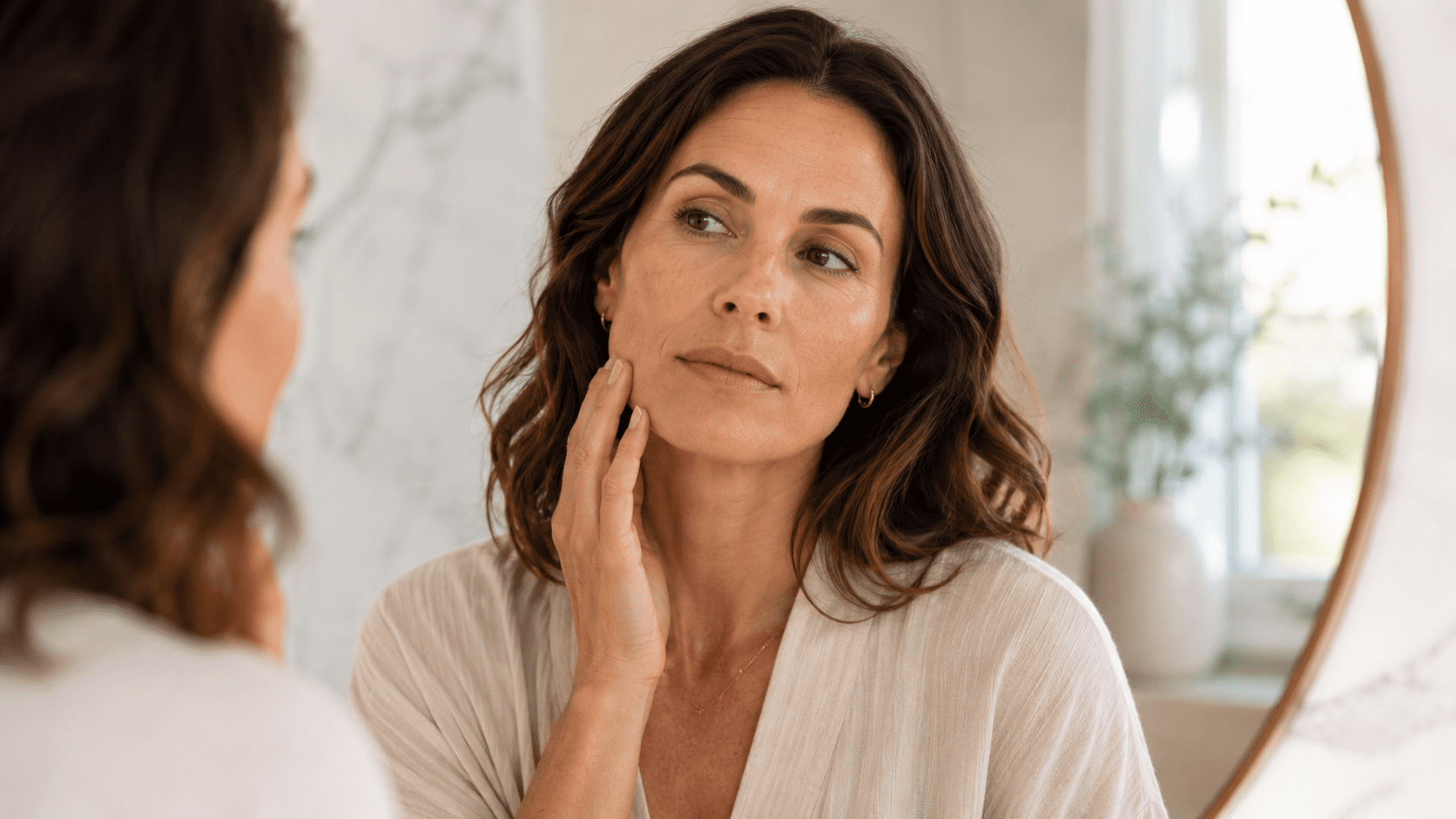

You can do everything right with your skincare routine and still find your skin isn’t cooperating. The cleanser, the retinoid, the SPF, the $200 serum — and yet the skin still looks tired, dull, or reactive in ways that don’t respond to topical intervention. When that’s happening, it’s worth looking at what’s going on internally, because skin is an output of your overall physiology, not an isolated surface that operates independently of everything else.
This post covers the specific connections between hydration status, key nutrients, and how skin looks, feels, and responds to aesthetic treatments. It also covers why IV delivery addresses these factors differently from oral supplementation and what that means practically for patients who are investing in their appearance and want everything to work as well as possible.
Skin as a Reflection of Internal State
The skin is the body’s largest organ and one of the last to receive nutrients when the body is under stress or operating in a deficient state. When the body needs to prioritize resource allocation, skin, hair, and nails are lower on the hierarchy than cardiovascular function, neurological function, and vital organ maintenance. This means that subclinical deficiencies, the kind that don’t show up as a diagnosable condition but do reflect in how you look and feel, often express themselves visibly in skin quality before they show up anywhere else.
Dehydration is the most common example. You can be meaningfully dehydrated without feeling thirsty, particularly in Houston where ambient temperatures and activity levels mean fluid loss happens constantly and often without adequate replacement. Dehydrated skin loses plumpness, resilience, and the smooth surface texture that makes it look healthy. Fine lines appear more pronounced. Skin looks duller and less light-reflective. The barrier function decreases, which means products absorb less efficiently and the skin is more reactive.
The same principle applies to specific nutrient levels. Vitamin C is required for collagen synthesis, and suboptimal vitamin C status directly affects the skin’s ability to produce and maintain the collagen that gives it structure and elasticity. B vitamins support cell turnover and energy metabolism in skin cells. Glutathione, one of the body’s primary antioxidants, protects skin cells from oxidative damage. Magnesium affects skin barrier function and inflammatory response. None of these are exotic interventions. They’re the basic building blocks that skin physiology depends on, and many people are running below optimal levels without knowing it.
Why Houston Specifically
Houston’s climate creates a specific pattern of internal dehydration that’s easy to underestimate precisely because the ambient humidity makes it less obvious. When you’re outdoors in Houston’s heat from March through October, fluid loss through perspiration is significant and continuous. The combination of heat, humidity, and outdoor activity, whether that’s a weekend on the water, a festival in Memorial Park, or just getting from your car to your office across a parking lot in August, depletes fluids and electrolytes faster than most people consciously replace.
Add to this Houston’s genuinely active social culture: late nights, alcohol consumption that accelerates dehydration, inconsistent sleep, and the kind of schedule that makes it easy to go through a Tuesday without drinking enough water. Alcohol specifically is dehydrating in a clinical sense, inhibiting antidiuretic hormone and causing accelerated fluid loss that affects skin appearance and resilience.
The cumulative effect is a baseline hydration and nutrient status that, for a lot of Houston patients, is lower than it should be. Not dramatically so, but enough to show in how skin looks and how it responds to the treatments patients are investing in.
The Absorption Problem With Oral Supplementation
The straightforward question is: why not just drink more water and take supplements? The answer is that you can, and you should, but there are meaningful limitations to what oral delivery achieves compared to direct IV delivery.
Fluids and nutrients taken orally pass through the digestive system before reaching the bloodstream. The digestive process involves absorption across the gut wall, first-pass metabolism in the liver, and distribution through the circulation, all of which reduce the amount of any given nutrient that actually reaches target tissues. Absorption efficiency varies significantly by nutrient, by the individual’s gut health, and by what else is being consumed alongside. High-dose oral vitamin C, for example, is largely excreted before it reaches serum concentrations that produce meaningful systemic effects.
IV delivery bypasses all of this. Fluids and nutrients go directly into the bloodstream, achieving serum concentrations that oral delivery cannot replicate. The clinical applications of IV vitamin C, high-dose B vitamins, and IV glutathione in medical contexts depend entirely on this delivery advantage. The same principle applies to the aesthetic benefits.
This doesn’t mean oral supplementation is without value. A consistent daily routine of adequate hydration, quality supplements, and a protein-rich diet supports skin health over the long term. IV hydration complements that baseline by achieving the acute correction of deficits that oral delivery handles slowly, if at all.
What IV Hydration Actually Delivers to Your Skin
Here’s the specific connection between each component of IV hydration and skin appearance.
Fluids and electrolytes: Restoring cellular hydration directly improves skin plumpness, elasticity, and surface texture. The immediate effect of IV rehydration on skin appearance is often visible within hours. Skin looks more awake, fine lines appear less pronounced, and the dull flat quality that dehydrated skin has improves noticeably.
Vitamin C: Required for collagen synthesis, vitamin C is used up rapidly under stress, illness, and UV exposure. Houston’s year-round sun means patients are using vitamin C defensively constantly. High-dose IV vitamin C restores levels that topical application and oral supplementation don’t reliably achieve, supporting the skin’s ongoing collagen maintenance from the inside.
B vitamins (B12, B complex): B vitamins support cellular energy metabolism, including in skin cells. B12 deficiency in particular produces visible skin changes including pallor and reduced skin quality. Many patients are deficient without knowing it, particularly those on plant-based diets, those taking certain medications like metformin, or anyone whose gut absorption is compromised. IV B12 bypasses absorption issues entirely.
Glutathione: Glutathione is the body’s master antioxidant and primary detoxification compound. It protects skin cells from oxidative damage from UV exposure, environmental pollutants, and the metabolic byproducts of alcohol and stress. It also has a well-documented skin brightening effect at higher doses by modulating melanin synthesis. Houston patients dealing with hyperpigmentation, dull skin, or the visible effects of UV accumulation often notice glutathione’s effect more quickly than any other add-on.
Magnesium: Supports barrier function, inflammatory regulation, and the overall stress response. Magnesium deficiency is one of the most common subclinical nutritional gaps, and the skin effects include increased reactivity, barrier compromise, and a general inflammatory tendency that shows up as redness, sensitivity, and uneven texture.
Zinc: Supports wound healing, collagen synthesis, and the inflammatory regulation that affects acne-prone skin. Zinc deficiency is more common than most patients realize and produces visible skin effects including slower healing, more pronounced acne, and compromised barrier function.
IV Hydration and Aesthetic Treatment Outcomes
This is the angle that’s most relevant for FACE/FIT patients specifically: the connection between internal nutritional status and how well aesthetic treatments work.
Skin that’s dehydrated, nutrient-depleted, or operating with compromised barrier function doesn’t respond to treatments the same way healthy, well-hydrated skin does. Microneedling recovery is faster in patients whose skin has adequate vitamin C and protein for collagen synthesis. Chemical peels produce more even results and recover more smoothly in patients whose barrier function is intact. Filler results look more natural in skin that has good plumpness and hydration rather than the deflated quality that dehydration produces. Laser treatments produce better outcomes in skin that has adequate antioxidant status.
The practical implication is that IV hydration before or alongside in-office treatments isn’t just a wellness add-on. For patients undergoing a series of treatments, addressing the internal environment that skin health depends on supports better outcomes from every treatment they’re investing in.
When IV Hydration Makes the Most Sense
IV hydration at FACE/FIT is appropriate year-round and for a range of situations. The contexts where patients find it most useful:
After significant alcohol consumption: Addressing the dehydration, B vitamin depletion, and inflammatory state that follow a late night or a weekend event. The Hangover Recovery drip addresses all of these simultaneously and typically produces results within the duration of the treatment itself.
Before or after travel: Long flights and time zone changes disrupt sleep, hydration, and immune status. IV hydration on the day before departure or day of return significantly compresses recovery time.
Ahead of an important event: When looking your best matters, IV hydration the day before ensures your skin has the hydration and nutrient status to look as good as it can. Popular as a pre-wedding, pre-event, and pre-photo shoot treatment.
Alongside a treatment series: Patients undergoing a series of microneedling, chemical peels, or other skin treatments often incorporate monthly IV hydration to support the internal environment that drives skin recovery and collagen synthesis.
During illness or recovery: When the digestive system is compromised and oral intake is limited, IV delivery maintains hydration and nutrient status at a time when the body needs support most.
As ongoing wellness maintenance: Many patients incorporate IV hydration monthly as part of a general wellness routine, particularly those with active schedules, high stress levels, or simply the awareness that their baseline hydration and nutrient status benefits from a consistent reset.
Choosing the Right Drip for Skin-Focused Goals
Our full drip and add-on menu is on the IV Hydration service page. For patients with skin health as a primary goal, a few specific add-ons produce the most relevant benefits:
Glutathione for brightening, antioxidant protection, and the visible effects of accumulated UV and environmental damage. Available as a push or as part of the drip.
Vitamin C at higher doses for collagen support and immune function, particularly relevant for patients undergoing active skin treatment series.
B12 for energy and cellular metabolism support, with the associated improvement in skin vitality.
Biotin for hair, skin, and nail support at a concentration oral supplements don’t reliably deliver.
Your provider at FACE/FIT will discuss your specific goals and health history at your appointment and recommend the combination most appropriate for you.
Frequently Asked Questions
How quickly does IV hydration affect skin appearance?
Many patients notice improved skin plumpness, brightness, and overall quality within a few hours of treatment as cellular hydration is restored. The nutrient-dependent effects, particularly from vitamin C and glutathione, develop over subsequent days as the body uses the delivered compounds.
How often should I get IV hydration for skin benefits?
Monthly is a reasonable maintenance schedule for patients using IV hydration as part of an ongoing wellness and skin health routine. More frequent sessions in specific circumstances, such as before a major event, during an intense travel period, or alongside an active treatment series, are appropriate based on individual needs.
Is IV hydration just expensive water?
This is a fair question and worth answering honestly. Properly hydrated patients drinking adequate water and eating a varied diet won’t see the same dramatic effect as someone who arrives depleted. IV hydration is most valuable when it addresses a genuine deficit or achieves nutrient concentrations that oral delivery can’t replicate. For high-dose vitamin C, glutathione, and acute rehydration after significant depletion, IV delivery is genuinely different from oral supplementation. For patients who are already well-hydrated and nutritionally replete, the effects are more subtle.
Can IV hydration replace a good skincare routine?
No. The two work at different levels and the best outcomes come from both. Topical skincare addresses the surface layer directly. IV hydration supports the internal environment that skin health depends on. They’re complementary rather than interchangeable.
Are there any skin conditions IV hydration particularly helps?
Patients dealing with dull, tired-looking skin, post-treatment recovery, hyperpigmentation (particularly the glutathione add-on), dehydration-driven fine lines, and skin that’s reactive or slow to heal after treatment all tend to respond notably well to IV hydration. It’s not a treatment for specific skin conditions in the clinical sense, but addressing the internal contributors to those conditions is a meaningful part of the picture.
Want to give your skin the internal support it needs to actually perform?
Book an IV hydration session at FACE/FIT Houston. We’ll build the right drip for your specific goals, whether that’s recovering from a late night, preparing for an important event, or supporting the outcomes of the aesthetic treatments you’re already investing in.